About 100 indigenous Lumad families have been displaced from their homes and farmland for Bukidnon Airport and there are reports of poor conditions at the relocation site and lack of permanent shelter for some affected people. A key purpose of the new airport is export of agricultural produce from the ‘agricultural heartland’ of Mindanao.
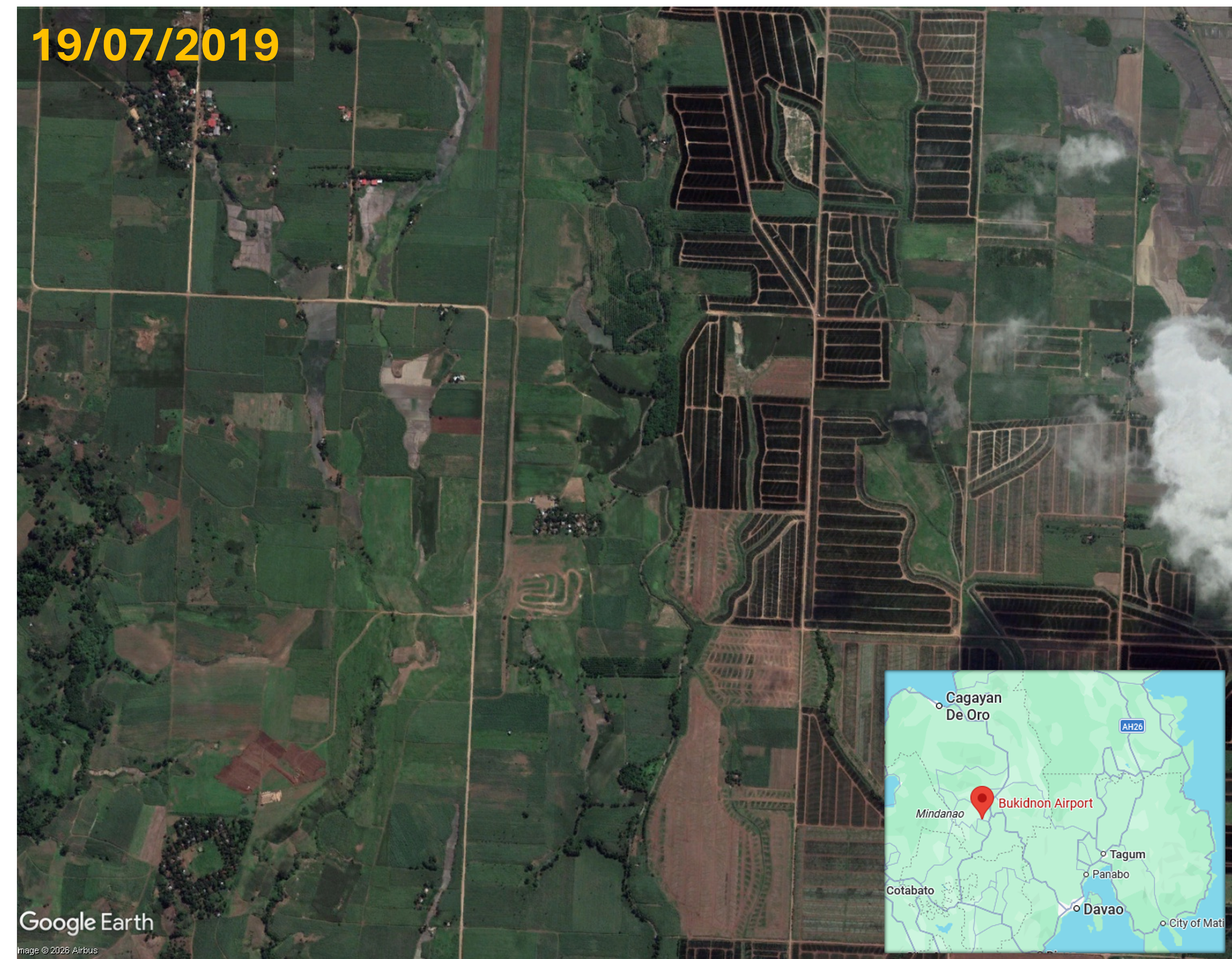
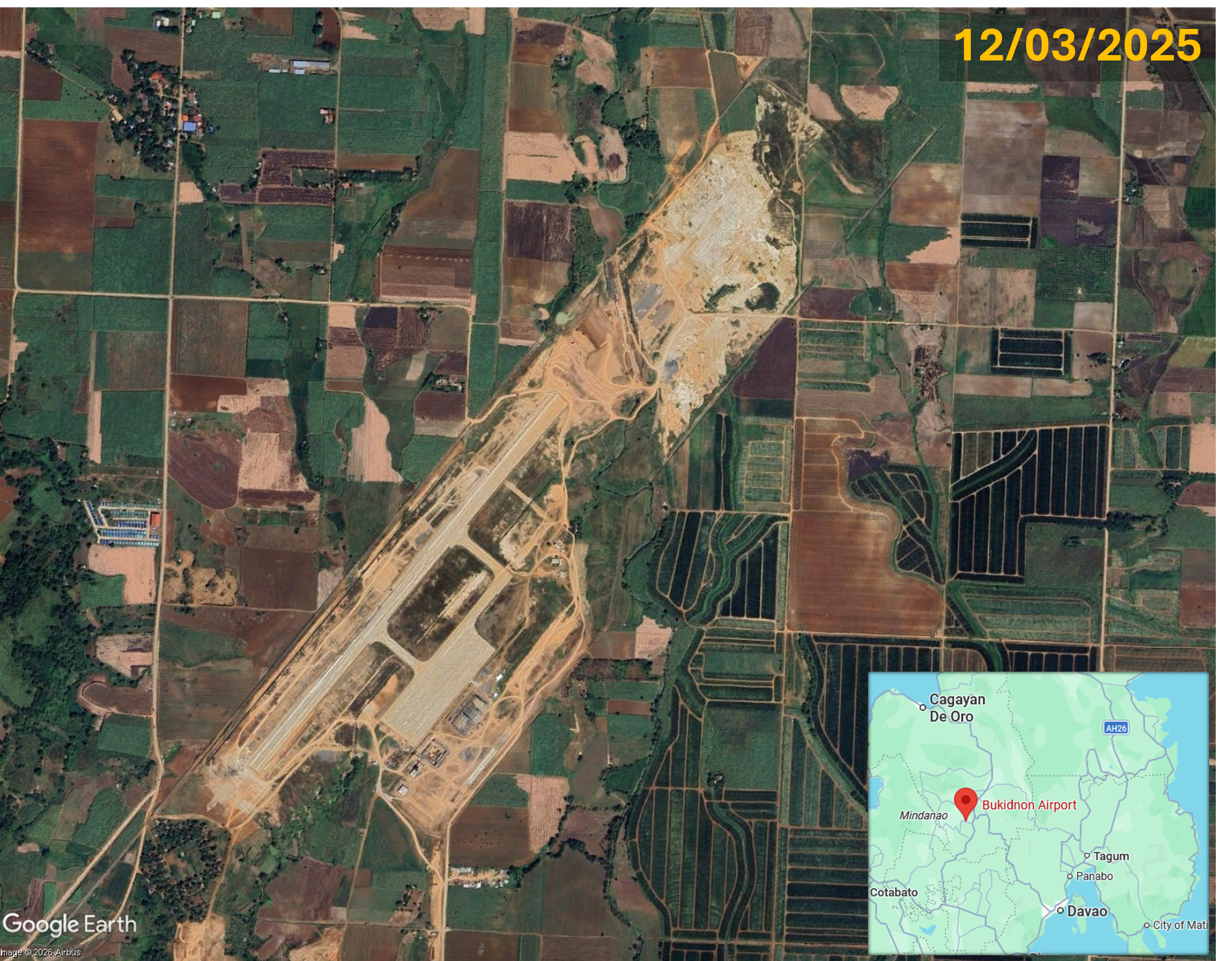
Construction of Bukidnon Airport, in Barangay Maraymaray, Don Carlos municipality, Bukidnon province, Northern Mindanao, has caused displacement of about 100 Lumad families, indigenous people belonging to the Kirintëkën-Ilantungën Mënuvu tribe, part of the Erumanën në Mënuvu group with ancestral territory in the Bukidnon and Cotabato provinces. One of the affected people said the relocation process was rushed, there was tree felling in the area and new housing units were not yet completed. A woman said dust from airport construction forced them to relocate and their newly laundered clothes were stained brown. A local leader said a large portion of the 149 hectare airport site is within indigenous territory, including 49 hectares recognised under a certificate of ancestral domain (CADT). A local leader criticised the free, prior and informed consent (FPIC) process, saying that instead of consulting the entire community, only two people were asked for permission. In 2018, when the airport project began, indigenous leaders created a draft agreement for the FPIC process, proposing involvement in airport management, a fair share of royalties, allocation of a two hectare showcase area for the Lumad community and fair relocation for affected families. In February 2023 the indigenous people’s organisation of the Tigbabao-Dokit clan issued a resolution calling for a halt to airport construction on the grounds of lack of a proper FPIC. Now, at the relocation site, families report poor conditions with no water or electricity supply. A Don Carlos indigenous representative said about 30 families, some of them not Lumads, were not included in the list of beneficiaries entitled to permanent shelters; some of them were staying with relatives. He also said displaced people did not receive compensation for crops that were uprooted, and they have no land for farming.
The Bukidnon province is known as the ‘agricultural heartland’ or ‘food basket’ of Mindanao and a key purpose of the new airport is export of agricultural produce. The airport is anticipated to enable transport of produce including pineapples, bananas, coffee, corn and sugar, along with livestock. Bukidnon Airport has a 2,100 metre runway, two stub taxiways, a 43,050 square metre apron with space to accommodate six aircraft and a 3,600 square metre passenger terminal with capacity for 425 passengers. Initially the airport will handle turboprop planes, but a longer 2,500 metre runway to handle large aircraft such as the Airbus A320 will be constructed. Since 2022, Bukidnon Airport has received P3.17 billion (USD 50,585,655) in government funding. In September 2026 infusion of an additional P300 million (USD 4,787,400) was announced, for completion of the facility in 2027. This extra funding brings the Marcos administration’s funding for the airport to a total of P3.37 billion (USD 55,421,139). Executive Secretary Ralph Recto said, “We will not allow this to become another project that has been awaited for a long time but never completed.” Bukidnon Airport is part of wider road and rail corridor infrastructure development. It is a key component of the North-East Economic Corridor (NSEC) to connect urban and agricultural hubs in Mindanao, running between Cagayan de Oro in the north to Davao in the South, and a priority project of the Brunei Darussalam–Indonesia–Malaysia–Philippines East ASEAN Growth Area (BIMP-Eaga).

