More than 15,000 people are being displaced and losing agricultural and livestock livelihoods for Bishoftu International Airport, ‘Africa’s largest airport’ with an adjoining Airport City. Affected people have concerns about inadequate compensation and resettlement and there are reports of forced eviction, harassment and intimidation.
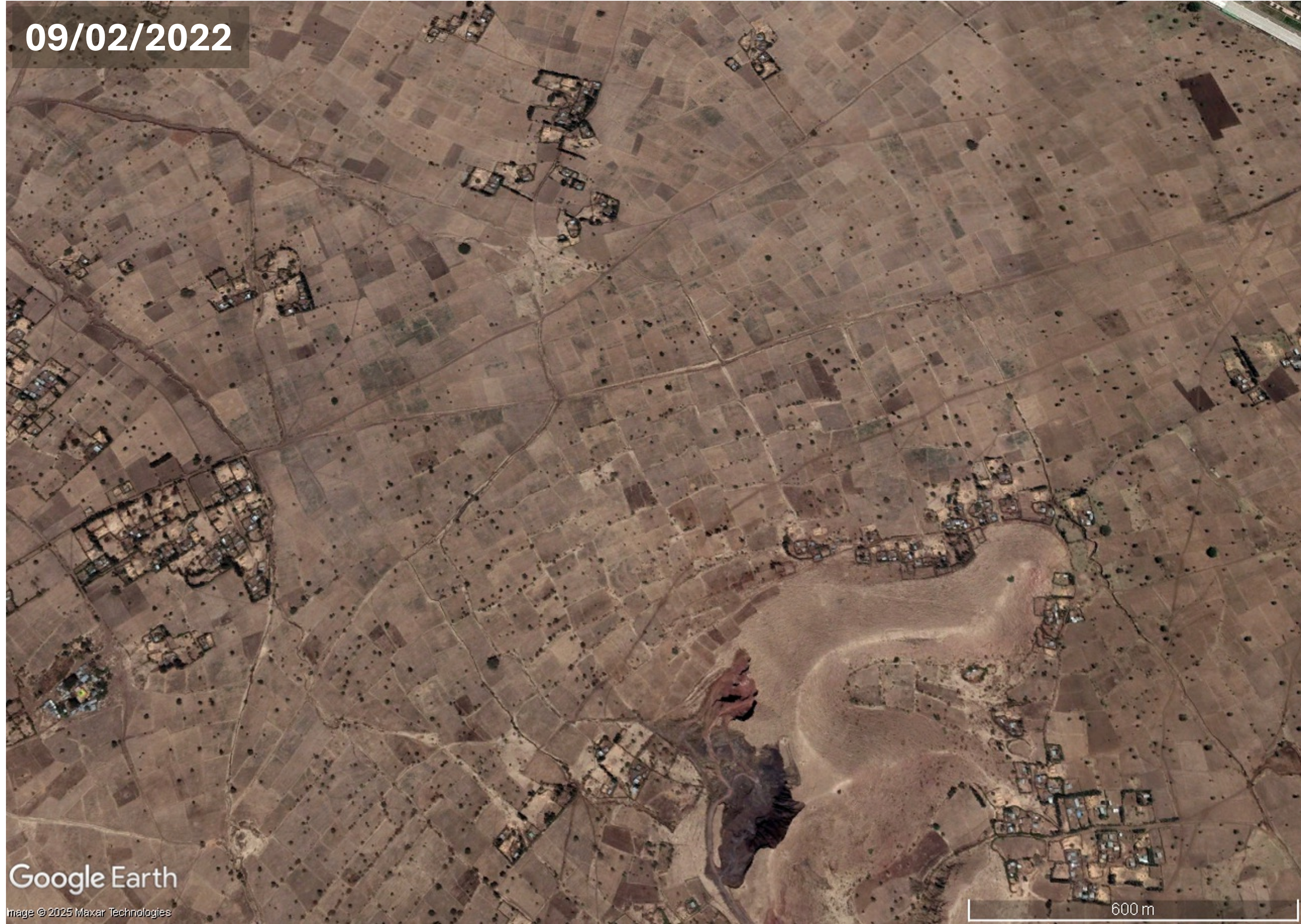
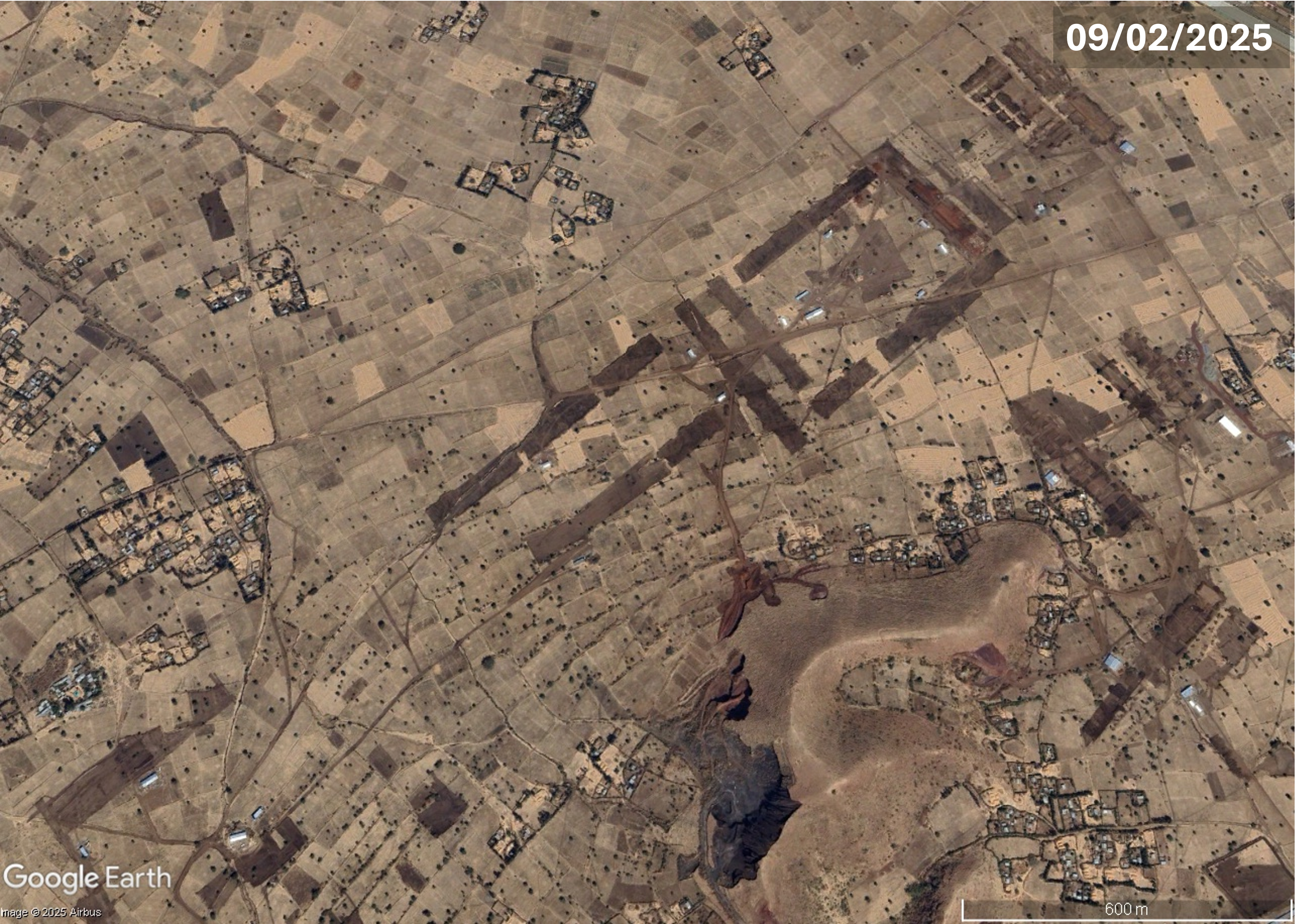
On 24th March 2025 Ethiopian Airlines Group (EAG) and African Development Bank (AfDB) signed a Letter of Intent for development of Abusera International Airport Project, USD7.8 billion project on a site about 40 kilometres southeast of Addis Ababa, near the town of Bishoftu. EAG allocated funds for preparation of a 35 square kilometre plot of land for the new airport, with budgets earmarked for land clearance, resettlement and preparing the site for construction. Demolishing structures and relocating residents was anticipated to be completed by September. Previously, in August 2024, EAG CEO Mesfin Tassew said that construction of what was described as a ‘Mega Airport City’ could only proceed with resettlement of up to 2,500 farmers residing on the site. In January 2025 concerns of affected farmers over inadequate compensation, resettlement and support for finding new livelihoods were reported.
Dispossession in the name of development
Oromia Today responded to the agreement between EAG and AfDB with an article titled ‘Development Draped in Dispossession: The Tragedy Behind the Abuu Seeraa Airport Deal’, focussing on more than 15,000 Tuulama Oromo people, indigenous to the regional state of Oromia, facing displacement for the airport. The article reported ‘families being harassed, homes being marked for removal and livelihoods being uprooted’ with no relocation process and eviction orders ‘delivered by undisciplined militias’. The article called for the AfDB to be held accountable and made three demands:
- A thorough re-evaluation of the airport project considering impacts on local people, heritage and the environment
- For development in Abuu Seeraa to ‘embody a thoughtful integration’ preserving, not erasing, the area’s history and environment with no forced eviction
- Fair compensation for displaced people not just with single payments but via a long-term scheme recognising them as stakeholders in the airport with a share in the project reflecting the value of the land acquired
Environmental and Social Impact Assessment (ESIA) Report
The Environmental and Social Impact Assessment (ESIA) Report for the airport, now called Bishoftu International Airport Project, was completed on 10th August 2025, several months after reports of resistance to the project had emerged. Major impacts detailed in the ESIA included acquisition of approximately 3,979 hectares of land displacing 2,731 households comprising 15,320 people. The local economy is predominantly rain-fed agriculture and livestock rearing. Common crops include teff, wheat, barley, maize and various legumes including chickpeas, beans, soya beans and peas. Livestock including cattle, sheep, goats, donkeys, mules and horses are integral to local livelihoods providing milk, meat and hides. About 2,518 hectares of agricultural land, where staple crops including teff, wheat, and barley are cultivated, will be lost. In addition, 163.1 hectares of grazing land will be affected and the livelihoods of pastoralists disrupted by loss of seasonal grazing lands. Schools, roads, health and water facilities will be lost and cultural and religious sites including several churches will be impacted.
Stakeholder Engagement Plan (SEP)
A Stakeholder Engagement Plan (SEP) for Bishoftu International Airport, completed on 2nd October 2025, outlines a ‘comprehensive’ framework for engaging relevant stakeholders during pre-construction, construction and operation. The report states a ‘commitment to effective stakeholder engagement to ensure that community voices are heard and considered in decision-making processes’ with particular attention to vulnerable groups such as women, youth, the elderly and people with disabilities. Several serious risks and concerns were identified during consultations undertaken for the SEP. Project Affected Persons (PAPs) highlighted problems including disputes arising from inaccurate land demarcation, concerns over the fairness of compensation, loss of farmland and impacts on and restoration of livelihoods. Young people are identified as a vulnerable group due to worries about unemployment, loss of land inheritance and exclusion from benefit-sharing mechanisms.
Project implications for communities
In November 2025 Global Oda Nabe Association (GLONA), a USA based non-profit, civil society organisation published The New Mega Airport Project in Aabbuu, Oromia, Ethiopia: The Project Implications on Aabuu Communities. Sources from the affected community said neither the government nor EAG had engaged with them to discuss detailed resettlement plans, ‘They do not know when, where, what their rights are, the process involved for relocation, and what their fate will be following the eviction from their ancestral land. So, the affected communities are now in limbo.’ The community sources also said people raising questions and voicing concerns relating to the airport, demanding full disclosure of the project and how it would affect them, in particular regarding compensation for land, were being intimidated. Many concerning environmental consequences were identified such as deteriorating air quality and waste and sewage from the site which might pollute rivers and groundwater.
Reports of forced eviction
In December 2025 The Economist reported that the airport was expected to displace approximately 15,000 people. Reports indicated that some affected residents had received promises of housing but others were in fear of their land being taken without receiving compensation. There were also reports that activists voicing concerns about the project had been harassed and arrested. A January 2026 statement by the Oromo Liberation Front (OLF) condemned the planned ‘mega airport’ and adjoining ‘airport city’ as the most recent and serious chapter of displacement spanning many decades, warning of the eviction of 15,000 people from six villages. Despite allocation of ETB17 billion (USD110 million) for resettlement and rehabilitation of farmers, the situation on the ground was reported to be ‘brutal’ with OLF reporting, ‘farmers…have been forcibly ordered, in the manner of war, to leave without harvesting their crops, moving their property, or even selling their cattle’. OLF rejected rehabilitation limited to cash compensation and demanded equity instead of eviction with displaced communities granted equity shares as co-owners of the airport and intergenerational rights extending benefits to landowners’ descendants.
Displacement in the absence of Free, Prior and Informed Consent
The Oromo Federalist Congress (OFC) issued a statement, ‘Development Without Dignity is Dispossession’, to ‘address the grave and escalating situation’ regarding the airport project. The OFC acknowledged an appeal from the Aabbuu Seeraa community and expressed solidarity with 3,000 households ‘facing imminent eviction from their ancestral lands’. OFC described the displacement, in the absence of Free, Prior and Informed Consent (FPIC), as a legal crisis, violating Article 40 of the Constitution protecting farmers’ rights to land. A call to action included demands for a moratorium on evictions, institutional dialogue, equity not eviction, cultural protection and due diligence from AfDB to ensure compliance with international human rights provisions pertaining to Development-Induced Displacement (DID). The statement concludes, ‘The Oromo Federalist Congress reiterated that we are not anti-development, we are anti-theft. We are anti-erasure. A project of this magnitude, intended to be the “Pride of Africa”, cannot begin with the shame of destroying the very people who host it.‘
Construction of ‘Africa’s largest airport’ begins
Construction of Bishoftu International Airport began on 10th January 2026. The total cost for phase 1 was stated at USD12.5 billion, accommodating 60 million passengers per year, rising to become Africa’s largest airport with a total capacity of 110 million passengers per year. Reuters reported that some young residents being displaced for the airport were worried because their parents had been given houses but they had not and renting a house is expensive. On 30th January 2026 Oromia Today published an in-depth report, ‘Aabbuu Seeraa: Building Progress on Indigenous Erasure’, decrying the displacement of approximately 15,000 people for the airport, the ‘overwhelming majority’ of whom had not received replacement housing or new livelihoods. People protesting their post-eviction situation had been incarcerated. Communities using social media to document discrepancies between the official account of their displacement and their lived reality were punished. A few new houses had been constructed but about 95 per cent of displaced people had been left without land, shelter or an alternative income. The report called for replacement housing and livelihood restoration before displacement, transparent management of compensation with auditable records, protection of the environment and heritage, sensitivity regarding demographic impacts, permanent stakeholder status for affected people and an independent international assessment to evaluate compliance with human rights standards.
Displaced residents suffer hardship
On 9th February 2026 Addis Standard reported that Abusera residents displaced for construction of Bishoftu Airport were suffering from hardship having received neither the compensation nor replacement housing they had been assured of. An affected resident said she had documentation for three inherited plots, but, since the land was acquired for the airport had not received compensation or housing. She said, “It is not only compensation, even the houses given to others were not provided to us. I am raising my grievance with government officials and I have proof of ownership.” Another resident said he had been displaced from three inherited plots of land, for which he had a court order confirming his ownership, and was living in rented accommodation having difficulties providing for his two children. On 10th February EAG stated it had built housing in Bishoftu for residents displaced by airport construction and livelihood support for had been prepared. Yet some affected residents continued to claim they had not received compensation or adequate support for resettlement.
For more information including references for all source material, photos and graphics see the case study on EJAtlas, the world’s largest, most comprehensive online database of social conflict around environmental issues – Bishoftu International Airport and Mega Airport City, Ethiopia
 antiaero.org